

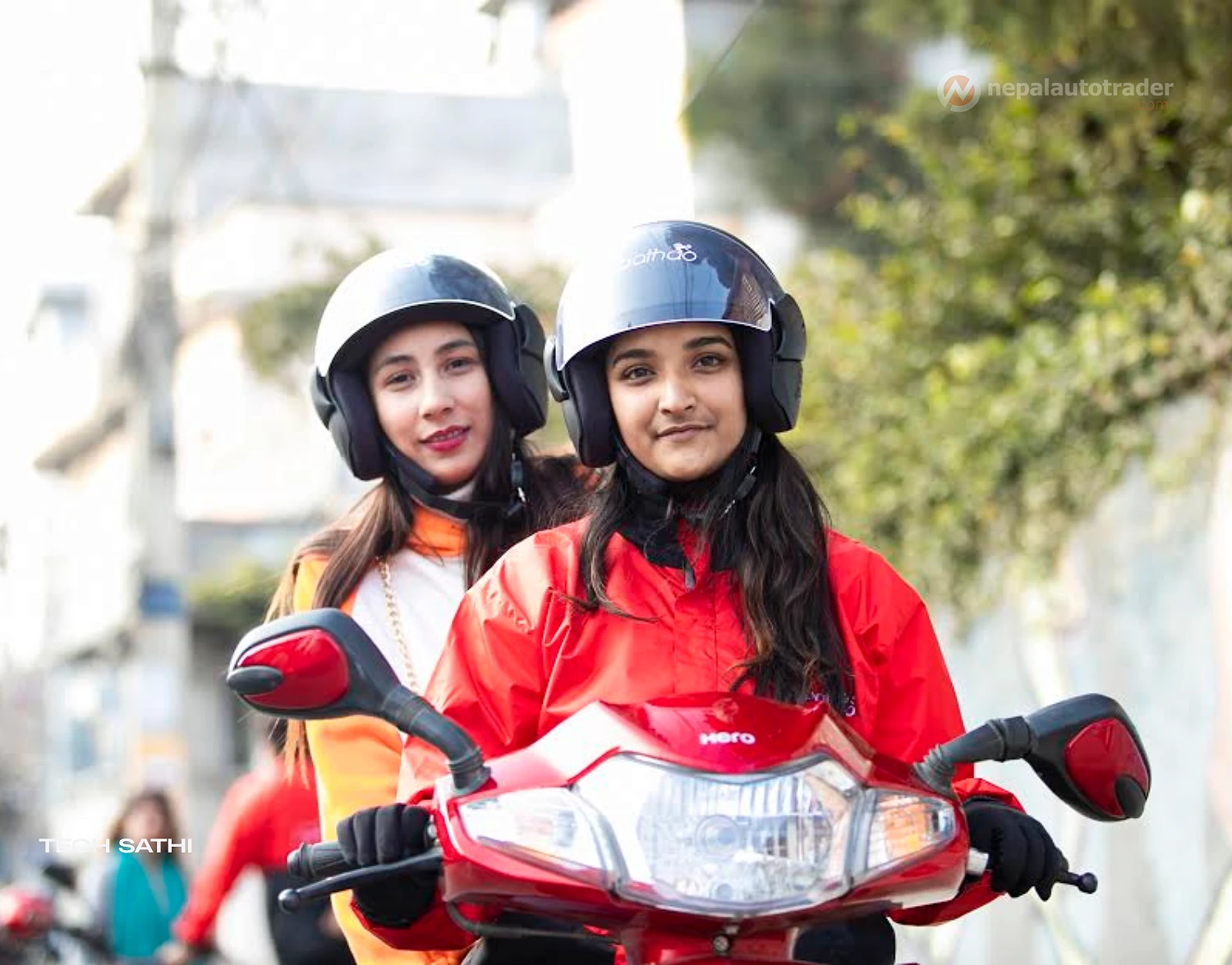
The provincial gazette released a comprehensive framework that governs every motorised vehicle used for commercial passenger transport. It does not differentiate between app‑based platforms and traditional operators; the same standards apply across the board. The document, titled Karnali Province Ride‑Sharing and Self‑Drive (Regulation and Management) Regulations, 2083, spells out technical thresholds, age limits, and paperwork requirements. By anchoring the rules in a single year, 2083, the province signals a long‑term commitment to safety, emissions control, and local vehicle ownership.
Two‑wheelers dominate short‑distance trips in the hilly terrain of Karnali. The regulation draws a clear line between petrol‑powered and electric models.
Four‑wheelers cater to families and longer routes. The regulation mirrors the two‑wheelers’ split between petrol and electric, yet the thresholds are higher.
The regulation’s cornerstone is the insistence that all vehicles be registered in Karnali Province. Any car, bike, or scooter bearing a registration from another province is automatically disqualified from ride‑sharing or self‑drive duties. This rule aims to strengthen provincial tax revenue and simplify enforcement.
The registration certificate must be current and match the vehicle’s chassis number, engine or motor specifications, and age. Operators are advised to keep digital copies on file, as the provincial transport authority will conduct random audits through the ride‑sharing platforms’ APIs.
A driver’s licence must also be valid on the day of service. The regulation does not call for a special commercial licence, but the licence holder must be at least 21 years old and have a clean driving record for the past two years. Taxi‑licensed vehicles are an exception: they may be registered even if their engine capacity falls below the 790 cc threshold, opening a pathway for compact cars to enter the market.
For riders, the new standards translate into newer, cleaner, and arguably safer rides. The age caps mean that a 12‑year‑old petrol bike will disappear from the streets of Jumla or Dolpa, replaced by a newer model that meets the 95 cc floor and emissions test.
Operators, however, face an immediate compliance sprint. Fleet owners must audit each vehicle’s registration, age, and technical specs against the table below. Those with out‑of‑province plates will need to re‑register, a process that can take weeks. Vehicles that fail the pollution test will have to be withdrawn or retrofitted, which could strain cash‑flow for small operators.
The taxi‑licensing exception offers a loophole for owners of sub‑790 cc cars. By applying for a taxi licence, they can keep older, smaller cars in service, potentially expanding the pool of affordable rides for low‑income passengers.
Overall, the regulation is a balancing act: it pushes the market toward newer, greener vehicles while preserving a route for low‑cost transport through taxi licensing.
| Vehicle Type | Engine / Motor Capacity | Maximum Age | Additional Requirements |
|---|---|---|---|
| Petrol two‑wheelers | ≥ 95 cc | < 10 years | Valid registration & licence |
| Electric two‑wheelers | ≥ 1.5 kW | ≤ 15 years | Valid registration & licence |
| Petrol four‑wheelers | ≥ 790 cc | < 15 years | Pollution test, valid registration & licence |
| Electric four‑wheelers | ≥ 20 kW | ≤ 20 years | Valid registration & licence |
| Taxi‑licensed vehicles (any engine) | Varies | Follows age rules for class | Taxi licence, valid registration & licence |
Q1: Can I use a bike registered in another province for ride‑sharing in Karnali? A: No. The regulation states that vehicles must be registered in Karnali Province. Out‑of‑province plates are prohibited for any commercial passenger service.
Q2: My petrol scooter is 11 years old but has a 100 cc engine. Am I allowed to list it? A: Unfortunately not. Petrol two‑wheelers must be younger than 10 years regardless of engine size.
Q3: I own a 2010 electric car with a 22 kW motor. Does it qualify? A: Yes. Electric four‑wheelers can be up to 20 years old and need a motor of ≥ 20 kW, so your vehicle meets both criteria.
Q4: Do I need a special licence to drive a ride‑sharing electric bike? A: A standard, valid driver’s licence is sufficient. No additional commercial endorsement is required.
Q5: My small hatchback has a 650 cc engine but I have a taxi licence. Can I still operate it? A: Yes. Vehicles licensed as taxis may be registered even if the engine capacity is below 790 cc, allowing you to stay in the market.
Q6: How often must the pollution test be renewed for petrol cars? A: The regulation mandates a test before the vehicle is first listed and then every two years thereafter, ensuring ongoing compliance.
The Karnali Province Ride‑Sharing and Self‑Drive Regulations, 2083, set a clear path toward a cleaner, safer, and locally‑controlled transport ecosystem. Operators who adapt quickly will gain a competitive edge, while riders can look forward to a fleet that meets modern standards.
PREVIOUS NEWS

Nepal Auto-Trader is one-stop platform for all automotive needs. We provide unbiased and unparalleled news/reviews of all auto-motives being launched in Nepalese Auto-Industry. Find recent updates and price of bikes/cars, compare and review recently launched bikes/cars, buy/sell/trade reconditioned cars/bikes and all government news about changing rules and regulation, road safety by subscribing us.

Subscribe to our Newsletter
© Copyright 2026, Nepal Autotrader



.png)
.png)