Highlights
•
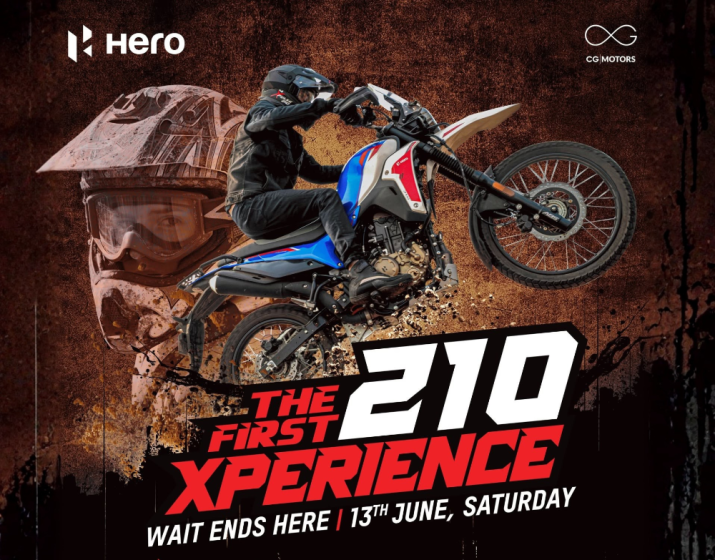
Hero MotoCorp opens booking for the
Hero Xpulse 210 in Nepal market
• Positioned as an evolution of the popular Xpulse adventure lineup
• Focus on
off-road capability and everyday ride practicality
• Nepal bookings signal early demand ahead of wider rollout cycle
• Adventure motorcycle segment sees renewed competition pressure
• Expected to target young riders and touring enthusiasts across mixed terrain
• Final specifications and pricing structure remain market-dependent and not fully detailed
A quiet booking move that still says a lot about intent
There’s a certain kind of news that doesn’t shout, but still shifts attention. The opening of bookings for the
Hero Xpulse 210 in Nepal falls into that category. No flashy global reveal this time, no dramatic stage moment, just a steady green light for interested buyers to step forward.
And that matters. Because Nepal isn’t a casual market for adventure motorcycles. Riders here don’t just commute, they test machines against altitude, broken tarmac, gravel climbs, and weather that changes its mind halfway through a ride.
The arrival of booking activity for the
Hero Xpulse 210 booking Nepal cycle suggests confidence from
Hero MotoCorp and its regional distribution network. It also hints at something more subtle, demand is expected before full clarity on every specification is even widely published.
Xpulse 210 positioning, evolution rather than revolution
The Xpulse name already carries weight in South Asian adventure circles. Riders know it as accessible, rugged, and forgiving in a way that encourages exploration rather than intimidating new owners.
The
Hero Xpulse 210 continues that philosophy, but with an expected step up in refinement and power delivery. Exact technical figures are not fully detailed in the booking announcement, but the positioning is clear enough.
It is not trying to be a heavyweight ADV machine. It is aiming to stay light, manageable, and honest.
That balance is important in markets like Nepal, where technical complexity often takes a back seat to repairability and reliability in remote regions. Riders value machines that can be understood, not just admired.
Key positioning traits include- Accessible entry into adventure touring
- Lightweight dual-purpose character
- Urban usability mixed with off-road tolerance
- Focus on rider confidence over raw performance numbers
It’s not trying to overwhelm. It’s trying to invite.
What we know, and what remains carefully undisclosed
Here’s where things stay grounded. The booking announcement does not lock in a full public specification sheet. That means some of the usual headline numbers, power output, torque, and detailed equipment lists, are not officially confirmed within the source context.
However, the model name itself,
Xpulse 210, signals an evolution in displacement over the existing Xpulse platform, which already built its reputation around approachable performance and off-road-friendly geometry.
Expected specification direction (not fully disclosed in announcement)| Specification | Expected Direction | Confirmation Status |
|---|
| Engine | Xpulse 210-series upgrade | Not officially detailed |
| Power Output | Higher than outgoing Xpulse platform | Not disclosed |
| Chassis | Dual-purpose oriented setup | Expected continuity |
| Riding Purpose | On-road + light off-road touring | Confirmed by positioning |
| Feature Set | Modern commuter + ADV blend | Partially undisclosed |
It’s a careful rollout strategy. Let the booking momentum build first, then layer in full detail later. That’s increasingly common in two-wheeler launches across emerging markets.
Nepal’s adventure segment is not a niche anymore
Something has changed in the last few years. The idea of a “weekend trail ride” is no longer reserved for a small enthusiast group in Nepal. It’s becoming a mainstream aspiration.
And motorcycles like the
Hero Xpulse 210 sit right at that intersection of affordability and adventure identity.
The competition is not just about specs on paper. It’s about whether a rider believes the bike will survive:
- Mountain switchbacks outside Kathmandu
- Gravel-heavy rural connectors
- Sudden monsoon road conditions
- Long, slow climbs where torque matters more than speed
That’s the real benchmark.
Against this backdrop, Hero’s move to open bookings early feels strategic. It plants the flag before rivals fully recalibrate their offerings for the same audience space.
Related reading gives context to this shift, especially how brands are rethinking entry ADV bikes like the Hero Xpulse 200 and comparing them against emerging dual-purpose rivals in the region.
Booking phase signals and what comes next
Booking openings in markets like Nepal often act as a soft launch layer. It is not just about orders, it is about gauging emotional response.
If interest spikes early, it tells distributors something important, the demand curve is real, not theoretical.
What typically follows this stage- Formal specification disclosure
- Variant and color lineup confirmation
- Pricing announcement closer to delivery phase
- Dealer allocation adjustments based on demand
The
Hero MotoCorp network usually follows a structured rollout pattern, especially in South Asian markets where supply planning is tightly linked to pre-booking behavior.
There’s also a psychological layer here. Early bookings create anticipation, but also commitment. Riders who book early are rarely casual observers.
They are already imagining the ride.
For broader context, it connects to how the brand has evolved its adventure positioning in models like the Hero Xpulse 200T and its off-road focused siblings, gradually shaping a family identity rather than a single product success.
Final outlook, a familiar name stepping into a sharper role
The
Hero Xpulse 210 arriving in Nepal’s booking ecosystem is not just another entry in a product lineup. It feels like a continuation of a long experiment, how far can a lightweight, affordable adventure motorcycle go before it needs to become something heavier and more complex?
Hero’s answer, at least for now, seems to lean toward restraint. Keep it accessible. Keep it usable. Let riders grow into it, not around it.
And in markets like Nepal, that philosophy has real weight behind it.
The next few weeks will be telling. Once specifications, pricing structure, and delivery timelines become clearer, the Xpulse 210 will either reinforce its predecessor’s reputation or carve out a slightly new identity of its own.
For now, it simply opens the door. Riders will decide how wide that door swings.
Frequently Asked Questions
Q: What is the Hero Xpulse 210 booking status in Nepal? A: The Hero Xpulse 210 is currently in the booking phase in Nepal, allowing interested buyers to reserve units ahead of full market rollout. Detailed pricing and specifications are expected closer to delivery timelines.
Q: How is the Xpulse 210 different from the existing Xpulse models? A: The Xpulse 210 is positioned as an upgraded version of the Xpulse lineup, expected to offer improved performance and refinement. However, full official specification differences have not yet been disclosed in detail.
Q: Who is the target audience for the Hero Xpulse 210? A: It primarily targets young riders, commuters looking for versatility, and touring enthusiasts who want light off-road capability without stepping into heavy ADV motorcycles.
Q: When will deliveries of the Xpulse 210 begin in Nepal? A: Delivery timelines have not been officially confirmed at the booking stage. Typically, delivery schedules are announced after bookings stabilize and production allocation is finalized.
Q: Is the Xpulse 210 suitable for off-road riding? A: The model is expected to retain the dual-purpose character of the Xpulse family, making it suitable for light to moderate off-road conditions, especially in mixed terrain environments like Nepal.
Q: Will pricing be announced during booking? A: Pricing is usually confirmed after or alongside final booking phases. At this stage, exact pricing details have not been formally disclosed in the booking announcement context.







.png)
.png)