

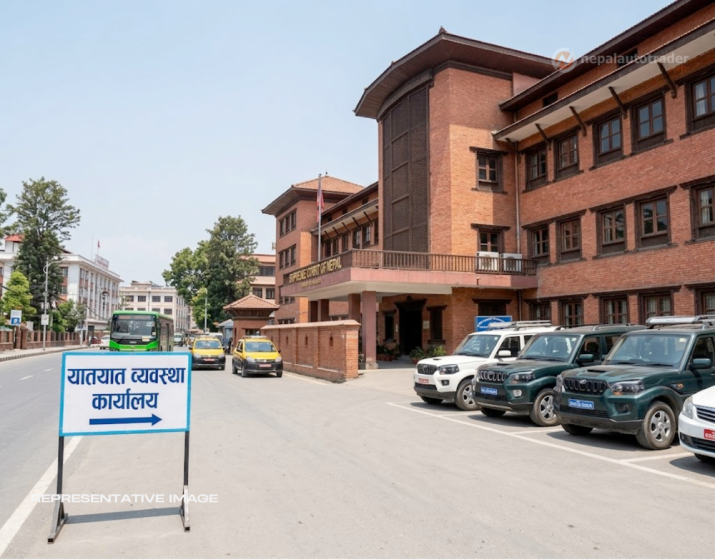
The Supreme Court has issued a clear directive, citizenship numbers must no longer be published in driving license results. The order, aimed directly at the Department of Transport Management, cuts into a long-standing administrative practice where sensitive personal identifiers were openly displayed alongside exam outcomes.
This is not a minor tweak. It is a structural correction. The court has recognized that publishing such details exposes individuals to unnecessary risks, including identity misuse. That matters.
Until now, license results often included:
On paper, it looked like transparency. In practice, it created a vulnerability window.
The court’s stance reframes the issue, public information does not mean unrestricted personal disclosure. This changes things.
The ruling is precise in intent. It does not stop the publication of results. It redefines how those results are presented. The focus is on eliminating unnecessary personal identifiers while maintaining clarity for applicants.
Here is how the shift unfolds:
| Aspect | Previous Practice | Post-Order Requirement |
|---|---|---|
| Identity Disclosure | Included citizenship number | Citizenship number must be removed |
| Result Format | Detailed personal listing | Limited to essential identifiers |
| Public Access | Open publication online/offline | Controlled, privacy-conscious display |
| Data Sensitivity | High exposure risk | Reduced exposure |
The intent is not to reduce accessibility, but to balance transparency with personal data protection. That distinction is critical.
The trigger is rooted in privacy concerns. Citizenship numbers in Nepal function as a primary identification document. Publishing them widely creates potential for misuse, especially in a digital environment where data can be copied, stored, and redistributed instantly.
The risks include:
Courts rarely step into administrative formatting decisions unless there is a systemic issue. Here, the issue is clear, public systems were exposing sensitive data without necessity.
This is part of a broader shift. Governments are being pushed to rethink how they handle citizen data. Not later. Now.
The ruling signals that legacy processes are no longer acceptable in a digital-first ecosystem. That matters more than it first appears.
The immediate burden falls on the Department of Transport Management and its network of offices. Systems, both digital and physical, will need adjustments. Templates must change. Databases may need reconfiguration. Staff workflows will evolve.
Key operational impacts include:
This is not just a software tweak. It is a procedural reset.
For applicants, the experience becomes safer. They still access results. They lose nothing essential. But their personal data footprint shrinks.
For administrators, it introduces accountability. Systems must now justify every piece of data they expose.
This is where governance meets execution. And execution is always the harder part.
This case sits at the intersection of two competing priorities, transparency and privacy. Public institutions often lean toward full disclosure to avoid accusations of opacity. But unchecked disclosure creates its own problems.
The court’s decision draws a line. It suggests that:
This is not an isolated correction. It reflects a global trend. Governments are being forced to rethink how much data is too much.
And in many cases, they are realizing the same thing, less is safer.
What Comes Next for Nepal’s Digital Governance
The ruling sets a precedent. Once one form of data exposure is addressed, others come into question. Where else are sensitive details being published unnecessarily? The answer may not be comfortable.Expect ripple effects across:
| Sector | Potential Change | Impact Level |
|---|---|---|
| Transport Services | Revised result systems | Immediate |
| Government Portals | Data display review | Medium-term |
| Public Records | Stricter disclosure policies | Long-term |
The shift is subtle, but powerful. Once privacy becomes enforceable in one domain, it rarely stays contained.
For Nepal’s digital transformation journey, this is a checkpoint. A reminder that modern systems are not just about efficiency, they are about responsibility.
And responsibility, once defined, tends to expand.
Q: What did the Supreme Court order regarding license results?
A: The court ordered that citizenship numbers must not be published in driving license results. Authorities must remove this sensitive information from all result formats.
Q: Will license results still be published publicly?
A: Yes, results will still be published. However, they will now exclude citizenship numbers and focus only on essential identifiers.
Q: Why are citizenship numbers considered sensitive?
A: Citizenship numbers are a primary identification detail. Publishing them increases risks of identity misuse and data exposure.
Q: Who must implement this change?
A: The Department of Transport Management and all related offices must comply with the new directive and update their systems.
Q: Does this affect past published results?
A: The order focuses on future publications. It requires authorities to ensure that upcoming results do not include sensitive personal data.
Q: What is the broader impact of this decision?
A: It sets a precedent for data privacy in public services, potentially influencing how other government systems handle personal information.
PREVIOUS NEWS

Nepal Auto-Trader is one-stop platform for all automotive needs. We provide unbiased and unparalleled news/reviews of all auto-motives being launched in Nepalese Auto-Industry. Find recent updates and price of bikes/cars, compare and review recently launched bikes/cars, buy/sell/trade reconditioned cars/bikes and all government news about changing rules and regulation, road safety by subscribing us.

Subscribe to our Newsletter
© Copyright 2026, Nepal Autotrader



.png)
.png)