

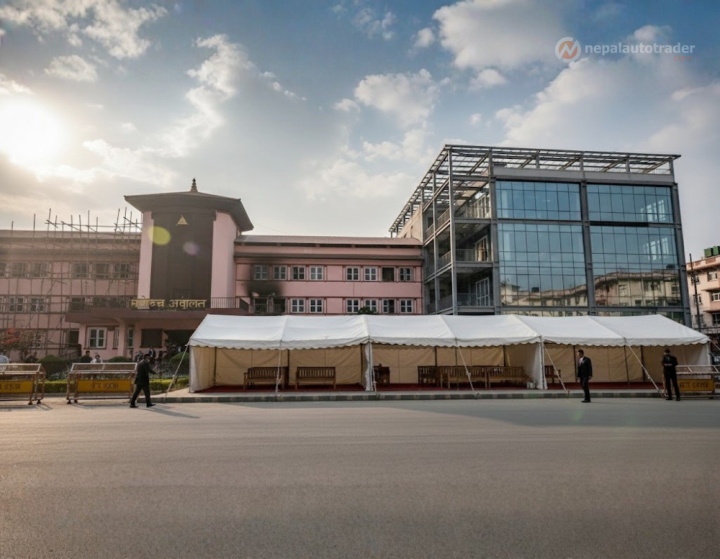
The highest bench in Kathmandu issued a clear directive: any future release of license examination outcomes must omit the applicant’s citizenship number. The bench described the practice as an “unlawful intrusion into personal privacy” and warned that continuing the habit would contravene both the constitution and existing privacy statutes. The order is not a recommendation – it is a binding command with enforceable penalties. That matters because it reshapes the legal landscape for every entity that publishes driver‑related data.
For years, the transport authority posted exam scores alongside full identification details on its website and bulletin boards. Critics argued that the exposure made citizens vulnerable to identity theft and discrimination. By striking down that habit, the Court acknowledges the growing importance of data protection in everyday life. The decision also reverberates beyond licences; any document that couples vehicle information with personal IDs now faces scrutiny. This change nudges Nepal toward the data‑privacy standards seen in the EU and other advanced markets.
Effective immediately, all driving licence result sheets will list only the candidate’s name, exam score, and pass/fail status. The citizenship number field will be replaced by a generic reference code that can be cross‑checked internally but not displayed publicly. The Transport Authority must update its digital platforms, printed notices, and third‑party portals within the prescribed timeframe. Failure to comply will attract fines up to NPR 500,000 per breach. The shift also forces insurance companies to revise their underwriting models, as they can no longer rely on publicly visible ID numbers to verify driver histories.
The automotive world in Nepal is tightly linked to licensing data. Dealerships often pull licence information to confirm buyer eligibility, while vehicle registration offices use the same identifiers to link owners to their cars. With the new privacy shield, these processes will need secure, backend verification tools rather than open‑access lists. Insurance premiums may see a short‑term recalibration as actuaries adjust to reduced data visibility. In the longer run, the ruling could spur investment in encrypted databases and biometric verification, raising the overall technological bar for the sector. This matters for anyone buying, selling, or insuring a vehicle in Nepal.
The Court gave the Transport Authority a 30‑day window to overhaul its publishing workflow. Industry bodies have already formed a task‑force to draft compliant templates and train staff. Observers predict that the privacy‑first mindset will spill over into other transport‑related services, such as fleet management and toll collection. If Nepal continues on this trajectory, the nation could become a regional benchmark for automotive data governance. That shift will likely attract foreign partners keen on a market that respects driver privacy while embracing modern digital infrastructure.
Q: Will my existing licence be affected by the new rule? A: Existing licences remain valid, but any future publication of exam results or licence updates will no longer show the citizenship number.
Q: How will insurers verify driver identity without the citizenship number? A: Insurers will use the internal reference code provided by the Transport Authority and may request additional documents such as a passport or biometric verification.
Q: When must the Transport Authority implement the changes? A: The Court ordered compliance within 30 days of the ruling, which was issued on 19 Magh 2082.
Q: Does this ruling apply to vehicle registration documents? A: The order specifically targets licence exam result publications, but the legal reasoning is expected to influence how vehicle registration data is handled publicly.
Q: Where can I find the updated licence result format? A: The Transport Authority will publish the new template on its official website and through its regional offices.
Q: Will there be any cost to drivers for the new privacy measures? A: No direct fees are announced; the changes are administrative and funded by the authority’s budget.

Nepal Auto-Trader is one-stop platform for all automotive needs. We provide unbiased and unparalleled news/reviews of all auto-motives being launched in Nepalese Auto-Industry. Find recent updates and price of bikes/cars, compare and review recently launched bikes/cars, buy/sell/trade reconditioned cars/bikes and all government news about changing rules and regulation, road safety by subscribing us.

Subscribe to our Newsletter
© Copyright 2026, Nepal Autotrader



.png)
.png)