

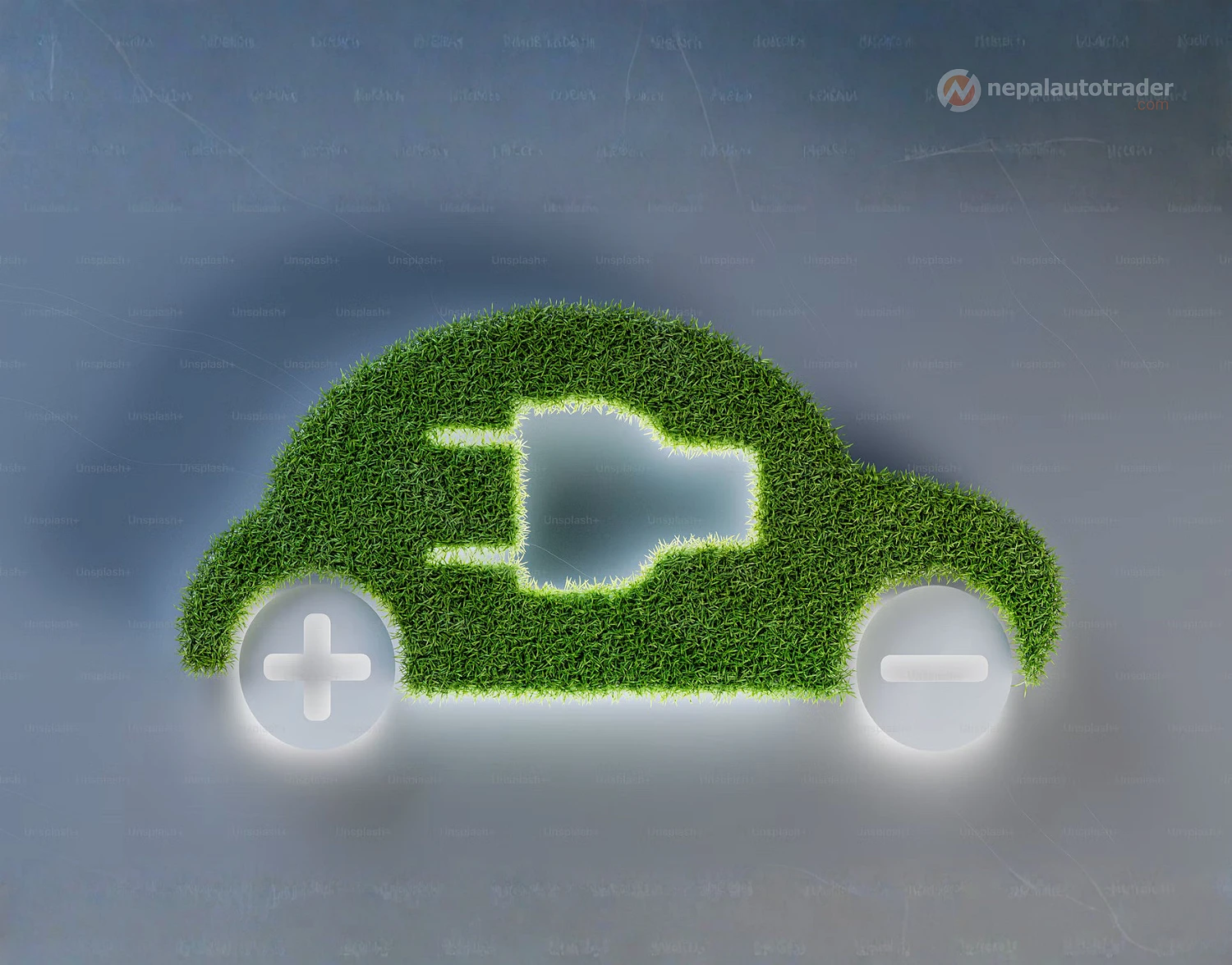
The push toward electric powertrains is no longer limited to compact city cars. Mid‑size sedans, sport‑utility vehicles and even heavy‑duty trucks are seeing larger battery packs and more efficient drivetrains. Automakers are investing heavily in modular platforms that can host both internal‑combustion engines and electric motors, giving them flexibility as market demand shifts.
Key to this momentum is the expanding network of fast‑charging stations, which now appear in shopping centers, office parks and highway rest stops. While the exact number of stations varies by region, the trend is unmistakable: drivers expect to top up a battery in the same time it takes to grab a coffee.
Recent years highlighted how fragile the global parts supply chain can be. Shortages of semiconductors, raw materials and even basic components forced manufacturers to rethink inventory practices. Many firms are now diversifying suppliers, increasing local sourcing and adopting digital twins to simulate disruptions before they happen.
This shift is also prompting a move toward near‑shoring, building factories closer to key markets to cut transit times and reduce carbon footprints. The result is a more agile production system that can adapt to sudden spikes in demand or unexpected geopolitical events.
Cars are increasingly software‑centric, with over‑the‑air (OTA) updates delivering new features, performance tweaks and security patches without a visit to the dealership. This model mirrors the smartphone industry, where the device’s capabilities evolve long after purchase.
Manufacturers are opening developer portals that let third‑party creators build apps for infotainment, driver assistance and even vehicle‑to‑grid services. As a result, the line between a car and a connected device is blurring, offering owners a more personalized driving experience.
Today's buyers care as much about the digital ecosystem inside a vehicle as they do about horsepower. Seamless integration with smartphones, voice assistants and cloud services is now a baseline expectation.
Surveys indicate that drivers are willing to pay a premium for features such as real‑time traffic analytics, predictive maintenance alerts and in‑car entertainment bundles. This willingness is driving automakers to bundle connectivity packages, often on a subscription basis, rather than offering them as one‑off options.
Governments worldwide are tightening CO₂ limits and offering incentives for low‑emission vehicles. While the specifics of each policy differ, the overall direction is clear: manufacturers must accelerate the rollout of zero‑tailpipe solutions or face penalties.
In response, many firms are committing to fleet‑wide electrification targets for the next decade. These pledges are accompanied by investments in recycling programs for batteries, as well as research into solid‑state technology that promises higher energy density and safer operation.
Legacy car makers are no longer working in isolation. Strategic alliances with technology firms, startups and even energy companies are unlocking capabilities that were previously out of reach.
For example, collaborations on autonomous driving stacks combine automotive engineering expertise with AI algorithms from Silicon Valley. Similarly, joint ventures with renewable‑energy providers aim to power factories with green electricity, aligning production with sustainability goals.
| Trend | Primary Driver | Potential Market Effect |
|---|---|---|
| Electrification | Consumer demand, regulatory mandates | Shift in sales mix toward EVs, new revenue from charging services |
| Software‑defined vehicles | Tech integration, OTA capability | Recurring revenue from subscriptions, longer vehicle lifecycles |
| Supply‑chain localization | Risk mitigation, sustainability goals | Reduced lead times, higher production costs offset by stability |
| Connected services | Consumer lifestyle trends | Higher average transaction value, data‑driven services |
Q1: Why are electric vehicles becoming mainstream across all segments?
A: The combination of stricter emissions rules, expanding charging infrastructure and consumer appetite for low‑operating‑cost cars pushes manufacturers to offer electric options beyond the compact class.
Q2: How does software‑defined architecture change vehicle ownership?
A: Owners can receive new features, performance upgrades and security patches remotely, turning the car into a platform that improves over time rather than a static product.
Q3: What steps are companies taking to protect against future supply‑chain shocks?
A: They are diversifying suppliers, increasing inventory buffers for critical parts, and using digital twins to model potential disruptions before they happen.
Q4: Will subscription models replace traditional car purchases?
A: Subscriptions are growing as a complement to ownership, especially for connectivity and advanced driver‑assist features, but full‑vehicle subscription adoption still varies by market.
Q5: How do new partnerships benefit both automakers and tech firms?
A: Automakers gain access to cutting‑edge software, AI and renewable‑energy expertise, while tech firms obtain a real‑world testing ground and a path to scale their solutions.
Q6: What role does sustainability play in future manufacturing?
A: Factories are moving toward renewable energy sources, and manufacturers are investing in battery‑recycling and circular‑economy programs to reduce environmental impact.

Nepal Auto-Trader is one-stop platform for all automotive needs. We provide unbiased and unparalleled news/reviews of all auto-motives being launched in Nepalese Auto-Industry. Find recent updates and price of bikes/cars, compare and review recently launched bikes/cars, buy/sell/trade reconditioned cars/bikes and all government news about changing rules and regulation, road safety by subscribing us.

Subscribe to our Newsletter
© Copyright 2026, Nepal Autotrader



.png)
.png)